A sustainable solution for a resilient future!
The Manywa Children Initiative has been created in support for Orphans in the region of Masaka-Uganda. A small school within the community seeks urgent solutions for energy, water and better sanitation. Access to fresh water is only one bore at 1 km from the school, and a river at 13 km. walk distance from the school. Sanitation is limited to pit latrines. Children without parents lack not only family but also short- and long term solutions that can create a more sustainable and resilient life prospect for every child. We believe that needs like energy, water, food, sanitation and shelter are fundamentally important to the well-being and future prospects of these children.
At the background of these existing problems is also the need for more diversification in nutrition and more balanced food diets for the Orphans and Community. Read more...
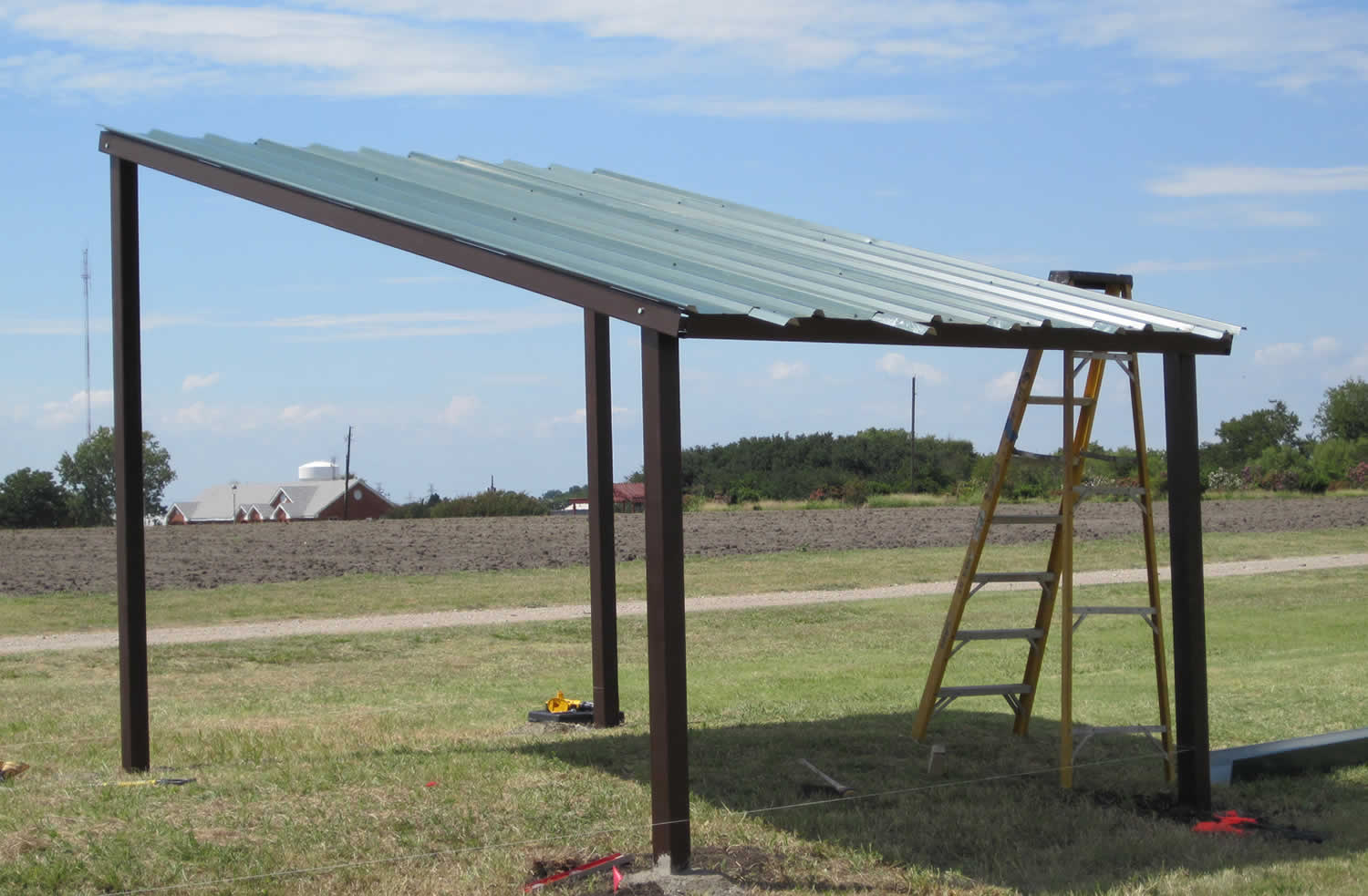
- An open shelter with 20 x 20 m roof, slightly pitched to the south.
- A solar power system (SPV) with solar array of PV panels, inverter charger and batteries.
- A solar hot water system (SHW) with solar cylinder, solar collectors, pump and controller.
- Rain water system with tanks, filters and pump.
- Sanitation block with 2 units of compost toilet and 2 shower units for hot water use.
- 1 Kitchen-laundry area with sinks for hot/cold water use.
The open shelter with roof provides a solid structure for both capturing rain water and solar energy at the same time. One roof provides electricity, hot water and rain water simultaneously. The shelter can further be used for educational or community gatherings, especially during hot summer or monsoon conditions.
The sanitation block provide comfort and a ‘healthy’ use of toilets, showers, dishwashing and laundry activities. In this way the school children and community members do not always have to walk for hours to the river or the bore. The pictures below show 3 smaller examples of open shelters with solar power roof and sanitation block. The compost toilets create much more comfort than the actual pit-latrines and also create compostable human manure that can be used in the vegetable garden after aging for minimum 1 year. An important FUTURE project for the Manywa School and community involves the creation of more resilience with fruit trees and a more effective vegetable garden. For this reason the human manure from compost toilets can be combined with other compost materials in a “compost station”.
Contact UsThe compost station is part of a holistic vegetable fertilizer program for Manywa that will help grow a greater variety of vegetables and fruits while using kitchen waste, animal manure, human manure and liquid fertilizer tea’s all produced locally with low to NO costs! The budget needs for the ENWASA project are based on:
- Local conditions Masaka – Uganda, and availability of materials.
- Local prices for building and construction, materials, labour.
- State-of-the art Solar systems for power and hot water.
- State-of-the art Rain water systems for tanks, pumps and filters.
- Design, assistance and project costs, engineering costs.